TexFlow Chimney Sweep

Chimney Inspection and Fire Safety

Expert chimney cleaning and maintenance for safer homes, cleaner air, and efficient performance.

A chimney may look solid from the outside. Inside, hidden damage can develop slowly. Chimney inspection and fire safety services are designed to catch problems before they become dangerous.

In Texas, changing temperatures, humidity, and seasonal storms affect chimney systems more than most homeowners realize. We often observe early liner cracks, mortar deterioration, and creosote buildup that cannot be seen without proper tools. That said, many of these issues are manageable when addressed early.

A professional chimney inspection focuses on fire prevention, structural integrity, and safe venting. If it has been over a year since your last check, it may be time to schedule a detailed evaluation.

Why Chimney Fire Safety Inspections Matter

Our Chimney Inspection Process

Each inspection follows a detailed, step by step evaluation.

Exterior Structure Review

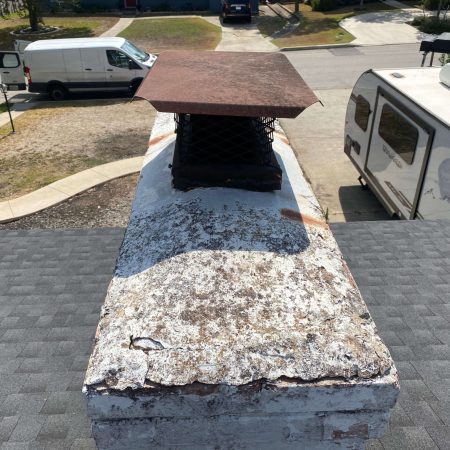
We assess the chimney crown, flashing, masonry, and visible structural components for cracks or water intrusion.

Interior Fireplace Examination

The firebox, damper, and smoke chamber are reviewed for wear, soot levels, and safety concerns.

Flue Camera Inspection

A specialized camera scans the full interior of the flue. This allows us to identify liner damage, creosote stage, or hidden blockages.

Draft and Venting Assessment

Airflow is evaluated to confirm smoke and gases are exiting properly.

Fire Safety Report

Findings are documented clearly. Photos are provided when necessary. If everything is safe, we say so. If repairs are needed, recommendations are explained calmly and clearly.

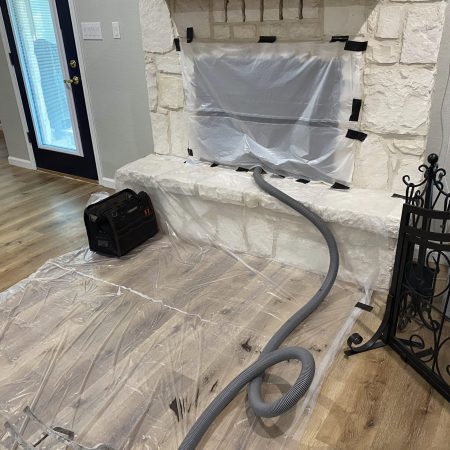
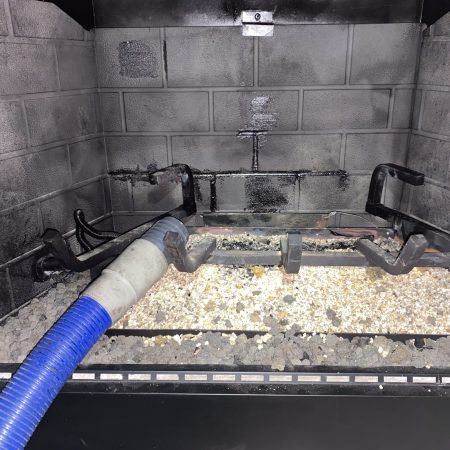
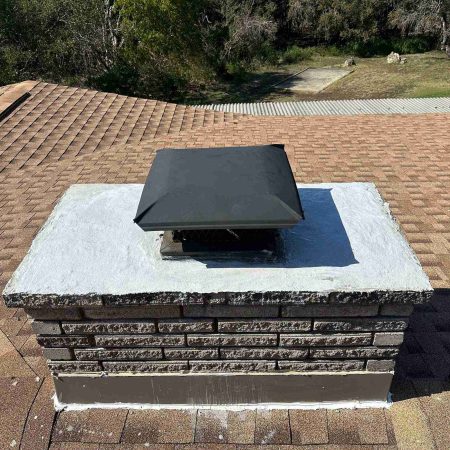
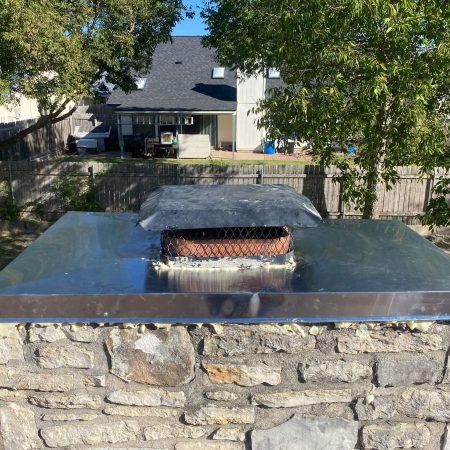
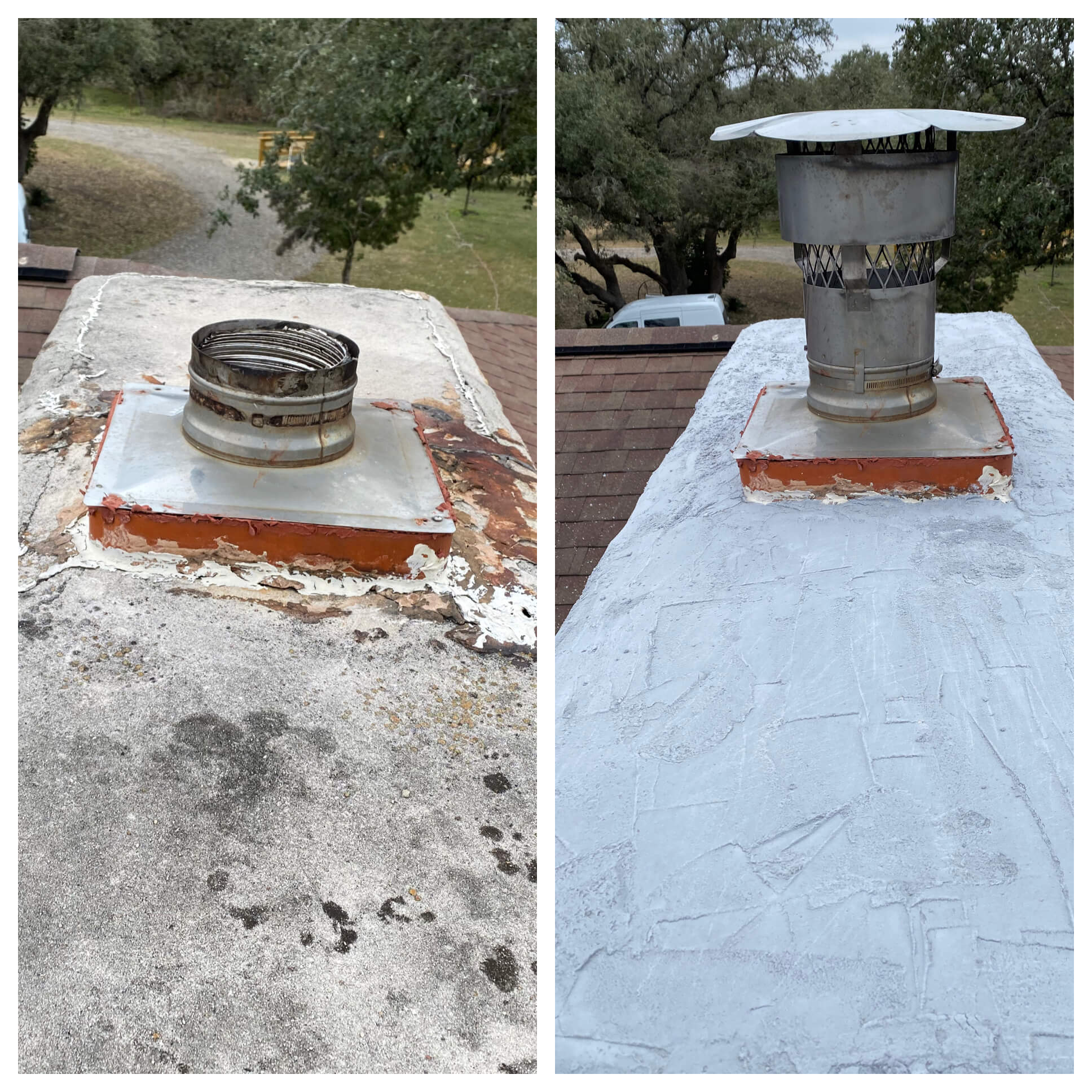
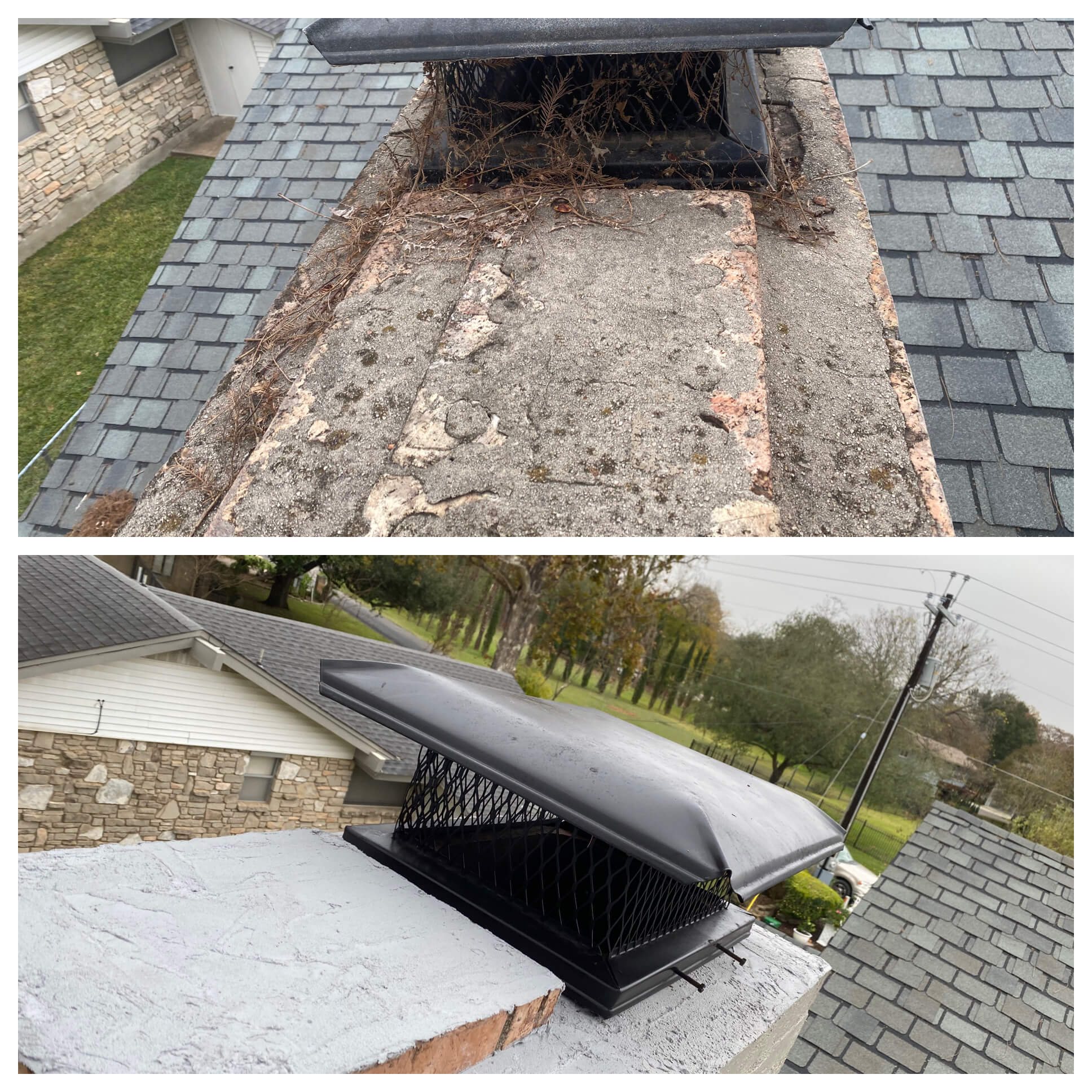
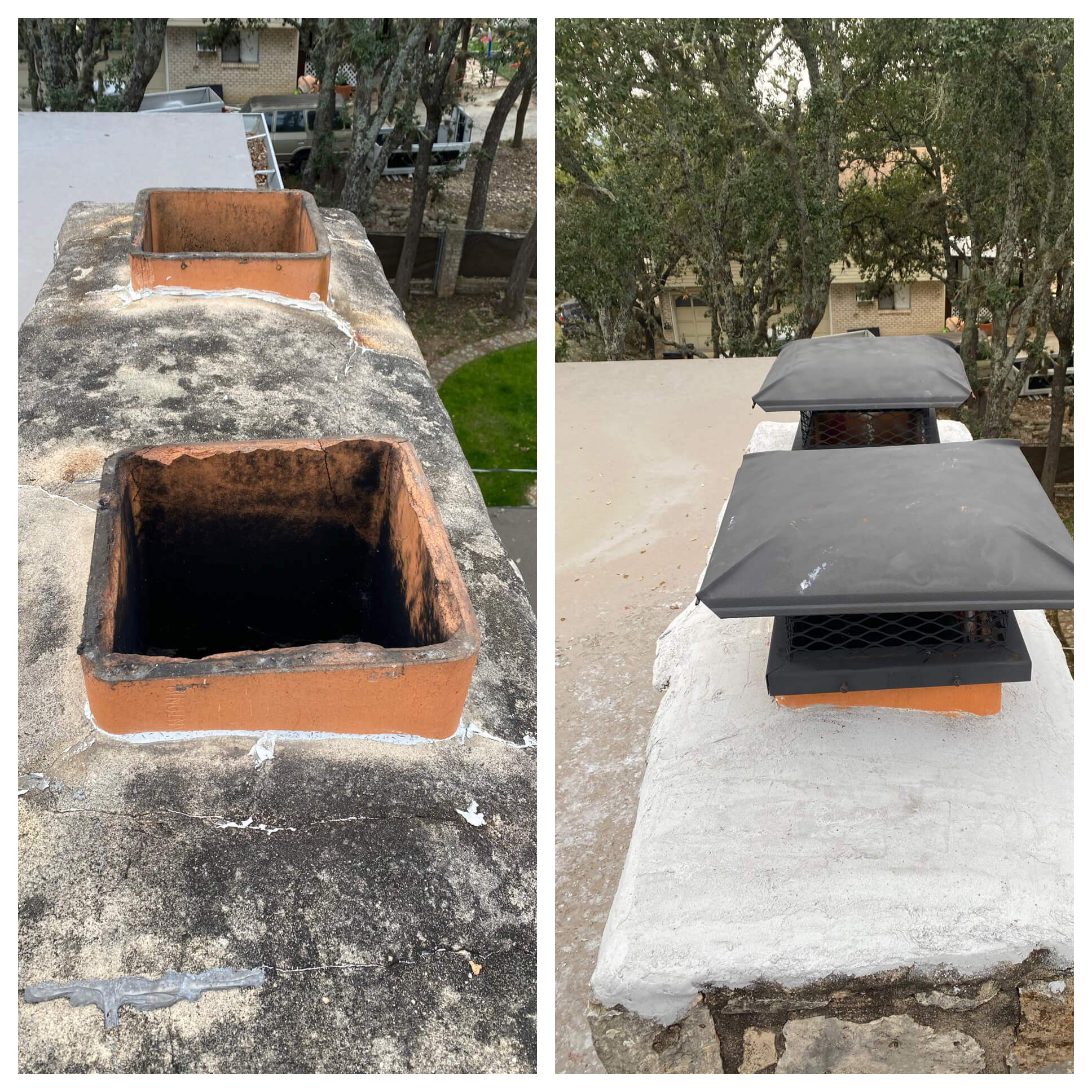
Project Gallery

Recent Chimney Projects

Levels of Chimney Inspection

Recommended annually when no major changes have occurred. This confirms safe operation and structural stability.

Performed only when serious hazards are suspected. This may require limited removal of materials to access concealed areas.

Common Fire Safety Issues We Identify

  1. Stage 2 or stage 3 creosote buildup
  2. Cracked or deteriorating flue liners
  3. Damaged chimney crowns
  4. Animal nesting or debris blockages
  5. Improper clearance from combustibles
  6. Draft performance issues

When Should You Schedule an Inspection?

You should schedule a chimney inspection before fireplace season begins, after a chimney fire, when buying or selling a home, or following major storms. It is also important to book an inspection if smoke behaves differently than usual or if it has been over one year since the last evaluation. Regular inspections help reduce unexpected repairs and improve overall system reliability.

Discounted Prices on Premium Services

PROFESSIONAL CHIMNEY SWEEP

Starting at:

$99

CALL US AT (210) 592-4188

  • Routine chimney sweeping
  • Removal of creosote and soot buildup
  • Improves fireplace airflow
  • Reduces smoke and odor issues
  • Supports safer fireplace use

CHIMNEY INSPECTION

Starting at:

$79

CALL US AT (210) 592-4188

  • Level 1 visual chimney inspection
  • Checks for blockages and damage
  • Identifies fire and safety risks
  • Helps prevent smoke backup

CHIMNEY CAP INSTALLATION

Starting at:

$149

CALL US AT (210) 592-4188

  • Chimney cap supply and installation
  • Helps block animals and debris
  • Reduces moisture entry
  • Supports proper chimney ventilation
  • Extends chimney lifespan

MAINTENANCE PACKAGE

Starting at:

$199

CALL US AT (210) 592-4188

  • Chimney sweep and inspection
  • Basic safety and airflow checks
  • Creosote and debris removal
  • Ideal for seasonal fireplace prep

Why Professional Chimney Fire Safety Inspections Matter

DIY visual checks cannot reveal internal liner damage. Basic tools do not provide full flue visibility. Professional camera systems allow accurate evaluation.

Insurance coverage also matters. Professional inspection ensures documentation of chimney condition, which may be helpful for home records or property transactions.

Safe fire prevention starts with accurate information. Guesswork is not enough when heat and combustion are involved.

Why Choose TexFlow Chimney Sweep

TexFlow Chimney Sweep brings years of field experience across Texas homes. We understand how regional climate affects chimney safety. Inspections are thorough and honest. No unnecessary alarm. No pressure tactics. Just clear findings and practical recommendations. We document what we see. We explain what it means. And we help homeowners make informed decisions about safety.

Results

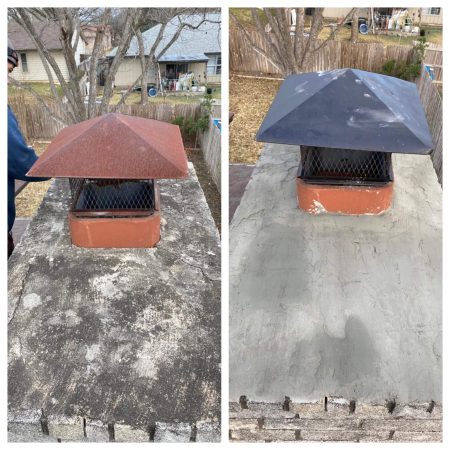
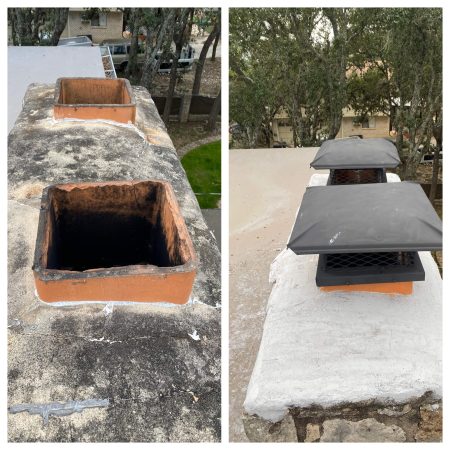
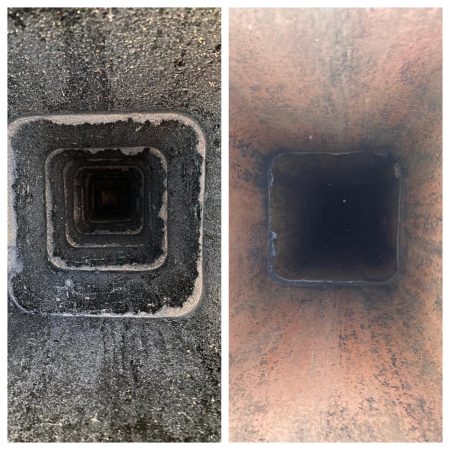
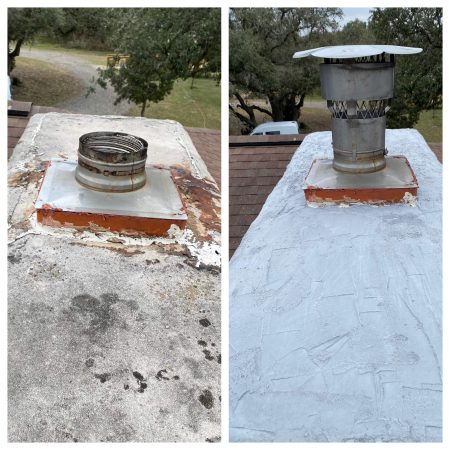
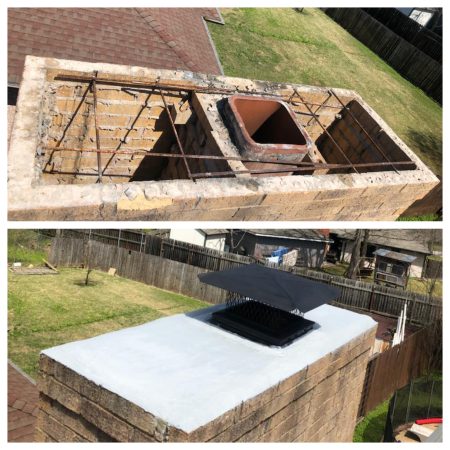
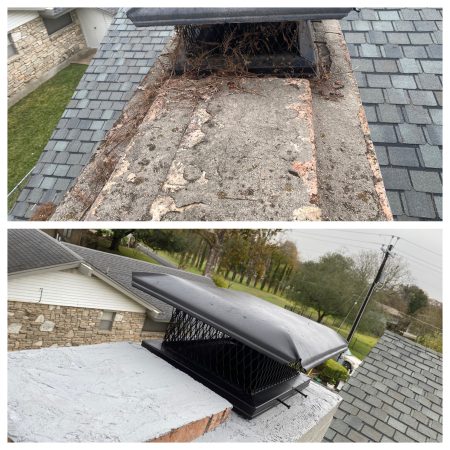
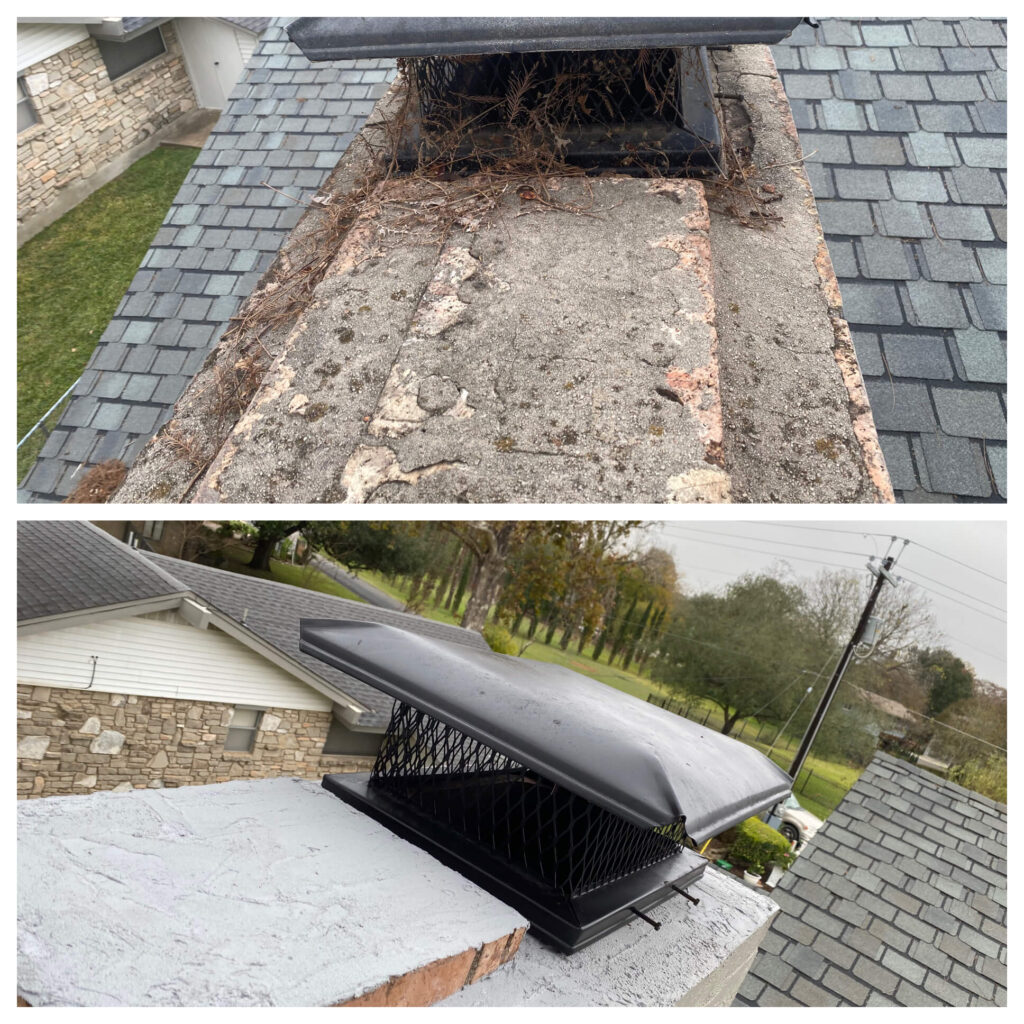
Before & After Results

Areas We Serve

Based In San Antonio, we provide services across Texas, including:

  • Austin
  • Round Rock
  • Pflugerville
  • Georgetown
  • Cedar Park

Homeowners throughout these communities rely on routine inspections to keep fireplaces safe and operating properly.

FAQ

Frequently Asked Questions

Why is professional chimney sweeping necessary? +
Regular sweeping removes creosote, a highly flammable byproduct of wood burning, and clears obstructions like nests or debris. This prevents chimney fires and ensures dangerous gases like carbon monoxide are properly vented.
How much does it cost to get a chimney cleaned? +
The cost of chimney cleaning depends on several factors, including the size of the chimney, the level of soot or creosote buildup, accessibility, and whether additional services like inspections or minor adjustments are needed. Chimneys that are regularly maintained are typically quicker and easier to clean, while neglected chimneys may require more time and specialized equipment. A professional assessment helps determine the scope of work and ensures the cleaning is done safely and thoroughly.
How often should you get your chimney cleaned? +
Most chimneys should be cleaned at least once a year, especially if the fireplace or wood stove is used regularly. Even occasional use can lead to creosote buildup, soot accumulation, or blockages that affect airflow. Annual cleaning also allows professionals to identify early signs of damage, moisture issues, or venting problems before they turn into costly repairs. Homes that use fireplaces frequently may benefit from more frequent inspections.
How much does it cost to repair a chimney? +
The cost of chimney repair varies based on the type and extent of damage. Minor repairs may involve sealing cracks, repairing mortar joints, or fixing the chimney crown, while more extensive repairs can include masonry restoration or structural work. Factors such as moisture damage, age of the chimney, and accessibility also affect repair scope. Addressing issues early often helps limit repair needs and protects the chimney from further deterioration.
How long does a standard chimney sweep take? +
A typical cleaning and safety inspection takes between 45 to 90 minutes. We recommend clearing the area around your hearth and refraining from using your fireplace for 24 hours prior to our arrival.

Chimney Projects Captured on Site

Contact

Get a Quote